CARF deadline: May 2027. Are you ready?
The Crypto-Asset Reporting Framework requires you to report your crypto clients' tax residency. The data-collection rules are already in force - your first report to HMRC is due 31 May 2027. WhyAML provides the evidence you need.
What CARF means for your practice
Three things every accountant needs to know before the deadline.

International standard - UK implementing via Finance Act

Covers clients with any crypto holdings

You must report WHERE your client is tax-resident
CARF is the crypto equivalent of CRS (Common Reporting Standard). If you have clients with crypto holdings, you'll need to report their tax residency to HMRC - and you need evidence to back it up.
The tax residency problem
Traditional documents don't prove residency. A passport shows citizenship. A utility bill can be months old. Self-declaration can be false. HMRC wants evidence of where your client actually conducts economic activity.

A person can hold a UK passport and be tax-resident in Dubai. The passport tells you nothing about where economic activity happens.

HMRC wants to see WHERE your client is economically active. That means behavioural signals - exchange logins, transaction timings, fiat ramps - not a document about who they are on paper.
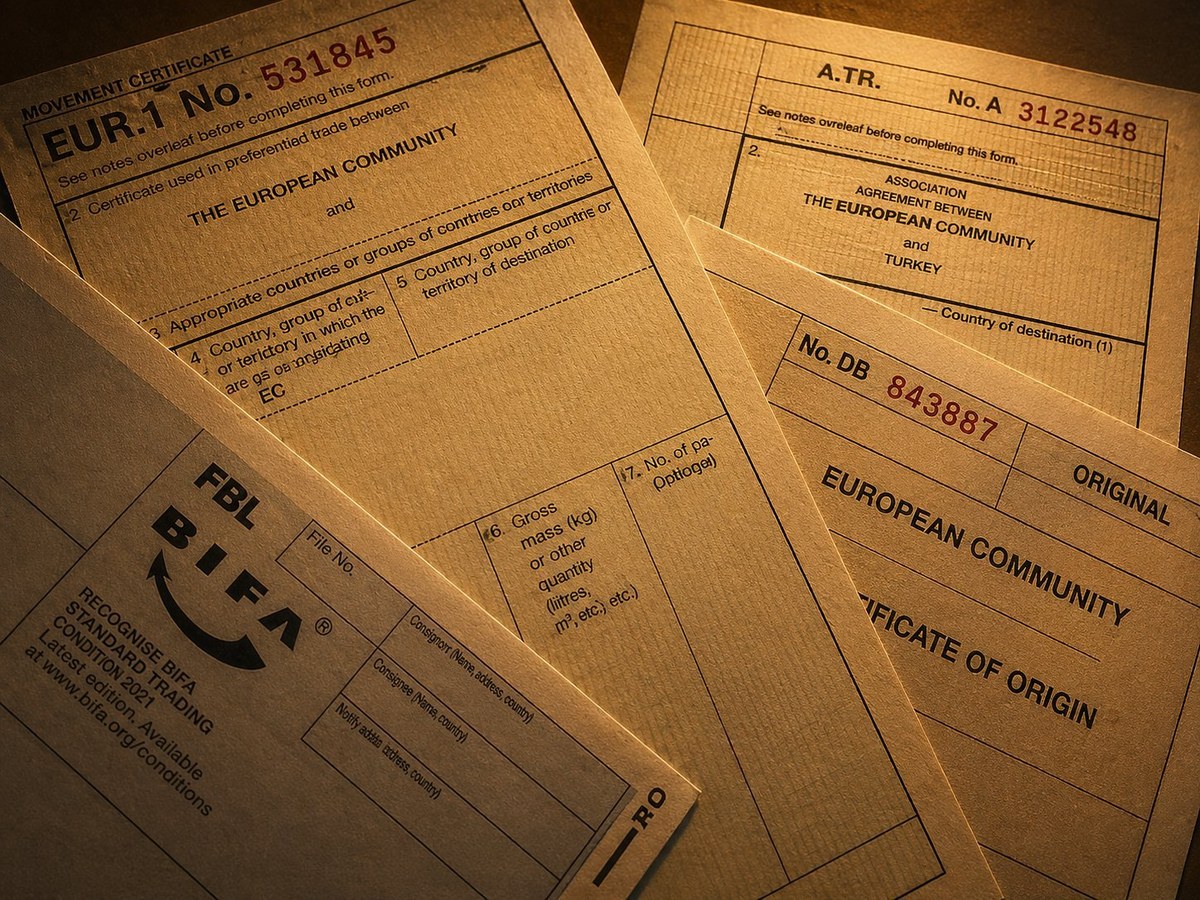
A bill from six months ago proves nothing about today. A short-let utility bill proves nothing about permanent residency.

CARF demands ongoing evidence. WhyAML captures behavioural signals in real time and refreshes them - so the residency evidence is always current, never "as of six months ago".

A client can have a UK bank statement for an address they moved out of a year ago. The paper trail is slower than real life.

A bank statement is self-reported - the client chooses what to send. WhyAML verifies via the regulated institution directly. You're not relying on the client's choice of document.

Your client says they live in Manchester. You write it down. HMRC asks you to prove it. You can't. Self-declaration is a statement - not evidence.

If HMRC audits you, self-declaration is worthless. WhyAML produces an on-chain audit trail - immutable, dated, and backed by institutional evidence. Hand it over. Done.
WhyAML solves the tax residency problem
We determine tax residency through behaviour, not documents. WhyAML analyses where your client's crypto transactions "touch" the real world.
Behavioural Geolocation (G-RADE™ Algorithm)
Our algorithm examines multiple factors to determine where your client actually lives and conducts economic activity:
Fiat ramps
Where does your client convert between crypto and traditional currency?
Institutional connections
Which regulated exchanges do they use, and where are those exchanges based?
Transaction patterns
What times are they active? What timezone patterns emerge?
Network behaviour
Who do they transact with, and where are those counterparties?
This produces tax residency evidence that is verifiable, current, and auditable.
The UK crypto client market - at a glance.
Millions of adults now hold crypto. If you have any of them as clients, CARF reporting applies. Here's what the market looks like today.
Derived from FCA 2025 ownership rates (8%) applied to ONS 2024/25 population data.
FCA 2025 data noting a shift toward higher average holdings among active investors.
FCA 2025 age-stratified research.
FCA Consumer Research (Wave 6), Dec 2025.
From 2026, crypto activity falls under formal UK regulation - the exact institutional evidence WhyAML uses to build tax residency reports.
HM Treasury & FCA Joint Policy Statement on the Financial Services and Markets Act (Cryptoassets) Regulations 2026.
CARF-ready compliance output
Four artefacts per client. Generated automatically. HMRC-shaped.
Tax Residency Evidence
Behavioural geolocation report showing economic residency determination
Broker Compliance Certificate
Dated, documented record of customer due diligence
On-chain Audit Trail
Immutable record of verification - can't be altered or lost
Meets CARF, MLR 2017, GDPR & DUAA 2025
The Crypto-Asset Reporting Framework requires accountants to report the tax residency of clients with crypto holdings. That evidence must be current, verifiable, and auditable - not self-declared.
Behavioural geolocation determines economic residency
Get CARF-ready before the deadline
Tax residency evidence included. No contract.
WhyAML adds this capability alongside your existing AML and onboarding checks - certified identity verification without document custody, bound to attribution through the Witness Model. It runs with your current tools, it doesn't replace them.